
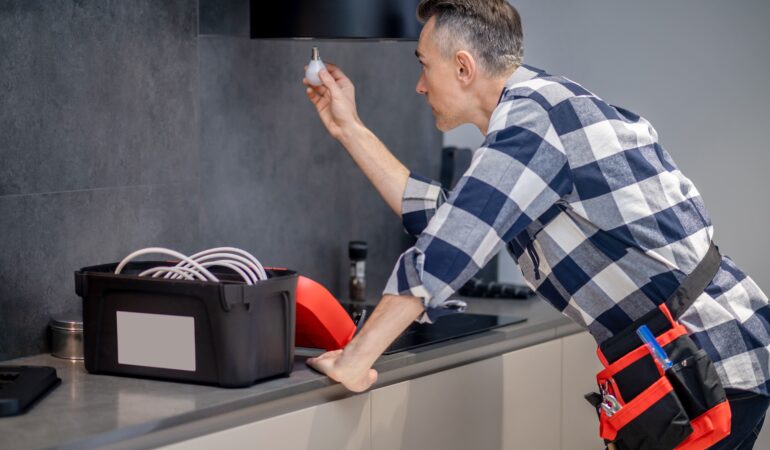
A kitchen chimney is one of the most important appliances in a modern kitchen. It helps remove smoke, grease, odors, and airborne particles generated during cooking, keeping your kitchen clean and fresh. Like any other appliance, a kitchen chimney requires regular care and maintenance to ensure optimal performance and a longer lifespan.
Without proper maintenance, grease buildup, clogged filters, motor issues, and reduced suction power can affect the efficiency of your chimney and lead to costly repairs. By following a few simple maintenance practices, homeowners can significantly extend the life of their kitchen chimney and maintain a healthier cooking environment.
Why Kitchen Chimney Maintenance Is Important
A well-maintained kitchen chimney offers several benefits:
- Improves air quality in the kitchen
- Removes smoke and cooking odors effectively
- Maintains strong suction performance
- Reduces fire hazards caused by grease buildup
- Lowers the risk of costly repairs
- Extends the overall lifespan of the appliance
- Enhances energy efficiency
Regular maintenance not only protects your investment but also ensures a safer and cleaner kitchen.
1. Clean the Filters Regularly
Filters are one of the most important components of a kitchen chimney. They trap grease, oil particles, and smoke residue before they enter the chimney motor and duct system.
Over time, filters become clogged, reducing airflow and forcing the motor to work harder.
Recommended Cleaning Frequency:
- Mesh Filters: Every 2 to 3 weeks
- Baffle Filters: Once a month
- Carbon Filters: Replace every 3 to 6 months depending on usage
Regular filter cleaning helps maintain proper suction power and reduces strain on the chimney motor.
2. Wipe the Exterior Surface Frequently
Grease and dust can accumulate on the outer body of the chimney, affecting both appearance and performance.
Cleaning Tips:
- Use a soft microfiber cloth.
- Apply a mild kitchen cleaner.
- Avoid abrasive chemicals that may damage the finish.
- Clean the control panel carefully.
Keeping the exterior clean prevents grease buildup and helps maintain the chimney’s appearance.
3. Turn On the Chimney Before Cooking
Many homeowners switch on the chimney only after smoke has already filled the kitchen. A better practice is to start the chimney a few minutes before cooking begins.
Benefits:
- Creates proper airflow from the beginning.
- Captures smoke more efficiently.
- Reduces grease accumulation inside the chimney.
This simple habit can improve overall chimney performance and longevity.
4. Allow the Chimney to Run After Cooking
Switching off the chimney immediately after cooking may leave smoke, moisture, and grease particles trapped inside.
Best Practice:
Let the chimney run for 5 to 10 minutes after cooking.
This helps:
- Remove remaining smoke and odors
- Clear moisture from the duct
- Reduce grease deposits inside the system
5. Avoid Excessive Oil and Smoke Exposure
Frequent deep frying and high-temperature cooking generate large amounts of grease and smoke.
While this cannot always be avoided, reducing unnecessary smoke can help protect chimney components.
Suggestions:
- Use appropriate cooking temperatures.
- Cover pans when possible.
- Maintain proper kitchen ventilation.
Lower grease exposure means less wear on filters and internal parts.
6. Schedule Professional Chimney Cleaning
While homeowners can clean visible surfaces and filters, internal components often require professional attention.
Professional chimney servicing includes:
- Deep cleaning of internal chambers
- Motor inspection
- Blower cleaning
- Electrical component checks
- Duct cleaning
Experts recommend professional chimney servicing at least once or twice a year, depending on usage.
7. Inspect the Suction Power Regularly
Reduced suction is often one of the earliest signs of chimney problems.
Warning Signs:
- Smoke lingering in the kitchen
- Strong cooking odors
- Increased grease deposits
- Unusual motor noise
If you notice any of these symptoms, schedule a professional inspection before the issue worsens.
8. Check the Ducting System
For ducted chimneys, the duct pipe plays a vital role in expelling smoke and fumes outside the home.
Maintenance Tips:
- Inspect ducts for blockages.
- Check for bends or damage.
- Ensure proper airflow through the exhaust system.
A blocked duct can reduce chimney efficiency and place additional strain on the motor.
9. Use Genuine Spare Parts for Repairs
If your kitchen chimney requires repairs, always choose genuine replacement parts.
Using original components helps:
- Maintain performance standards
- Prevent compatibility issues
- Extend appliance lifespan
- Protect manufacturer warranties
Cheap or incompatible spare parts can lead to recurring problems and additional repair costs.
10. Address Problems Immediate
Ignoring small chimney issues can result in expensive repairs later.
Common Problems to Watch For:
- Excessive noise
- Poor suction performance
- Auto-clean malfunction
- Control panel issues
- Oil leakage
- Chimney vibration
Timely repairs can prevent further damage and keep your chimney operating efficiently.
Signs Your Kitchen Chimney Needs Professional Servicing
You should schedule a professional inspection if you notice:
- Reduced smoke extraction
- Strong cooking odors remaining in the kitchen
- Loud or unusual noises
- Excessive grease accumulation
- Auto-clean feature not functioning properly
- Motor overheating
- Electrical issues or display malfunctions
Early diagnosis often prevents major component failures.
Benefits of Regular Kitchen Chimney Maintenance
Regular maintenance provides several long-term advantages:
- Longer appliance lifespan
- Better smoke and odor removal
- Improved kitchen hygiene
- Reduced repair expenses
- Lower energy consumption
- Enhanced cooking comfort
- Consistent suction performance
A properly maintained chimney can continue to operate efficiently for many years.